CRO by Platform: Meta, Google, LinkedIn, TikTok
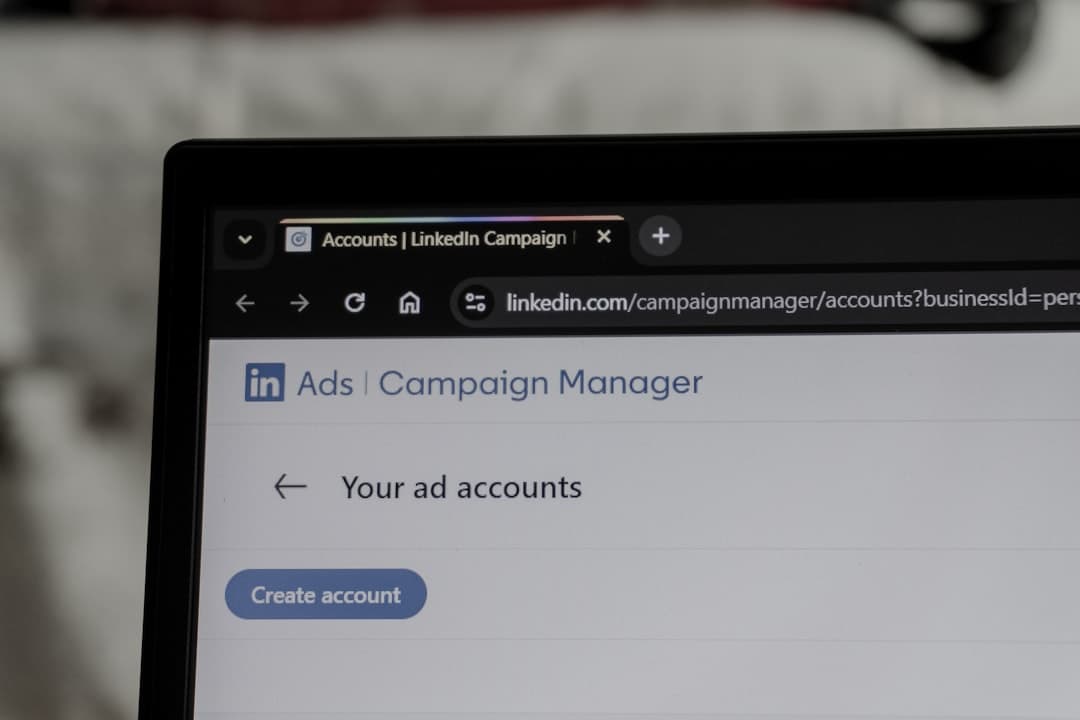
CRO by Platform: Meta, Google, LinkedIn, TikTok
Conversion rate optimization for paid ads is not one-size-fits-all: the tactics that lift Meta CVR by 30% will actively hurt your LinkedIn performance. Platform-specific CRO is the single biggest lever most teams ignore. In 2025, average conversion rates range from 0.6% on LinkedIn to 4.2% on Google Search, and the gap is almost entirely explained by intent mismatch, not budget.
Platform Conversion Rate Benchmarks (2025)
Before optimizing, know your baseline. These benchmarks are cross-industry medians; B2B SaaS typically sits 20-30% below.
| Platform | Avg. CVR | Primary Intent | Best Format for CVR | Typical CPA Range | |---|---|---|---|---| | Google Search | 3.8-4.2% | High-intent, active search | Expanded text / RSA | €25-120 | | Meta (Facebook/Instagram) | 1.5-2.8% | Passive discovery | Single image / carousel | €18-90 | | LinkedIn | 0.6-1.2% | Professional intent | Lead Gen Form | €60-300 | | TikTok | 1.0-2.2% | Entertainment-first | Spark Ads / TopView | €15-75 |
LinkedIn's low CVR is a structural feature, not a failure. The audience quality compensates when you're selling €50k+ contracts. For everything else, treat it as a red flag.
Meta CRO: Interrupt, Hook, Remove Friction
Meta conversion optimization lives or dies on the first 3 seconds. Users are not searching for your product, you are interrupting a scroll. Every element must earn attention before it earns a click.
The three-part Meta CRO framework:
- Hook (0-3 seconds): Lead with a problem statement or bold visual claim. "Still losing leads to slow follow-up?" outperforms product-first openers by 2-3x in GoScale Media tests across e-commerce and SaaS accounts.
- Landing page match: The headline on your landing page must mirror the ad copy verbatim. Message mismatch is responsible for roughly 40% of Meta bounce rates above 70%.
- Friction removal: One CTA, one form field above the fold, no navigation menu. Meta traffic is impulsive, every extra click loses 15-20% of conversions.
Should you use Meta Instant Forms or send traffic to a landing page?
For lead generation, Meta Instant Forms (formerly Lead Ads) consistently outperform external landing pages by 2-5x on raw CVR because they pre-fill user data and never leave the platform. The trade-off: lead quality drops 30-40% versus a qualifying landing page form. Use Instant Forms for top-of-funnel volume plays; use landing pages when lead quality is the constraint.
Meta-specific CRO checklist:
- Test creative format before copy. Static vs. video vs. carousel drives bigger CVR swings than headline variations.
- Use Advantage+ placements but exclude Audience Network for B2B (conversion quality tanks).
- Match landing page load speed to mobile: every 1-second delay costs ~7% in conversions on Meta traffic.
- Run creative refresh every 14-21 days. Ad fatigue on Meta is faster than any other platform.
For a deeper look at managing Meta campaigns across European markets, the GoScale Media Meta Ads approach for European startups covers multi-market creative and compliance nuances.
Running paid campaigns across multiple platforms? GoScale Media works with EU startups to optimize CRO by channel.
Google Ads CRO: Intent Is Already There, Don't Break It
Google Search CRO optimization starts from the opposite problem to Meta: intent is high, so your job is to not lose it. Visitors arrive knowing what they want. The number one conversion killer on Google is landing page irrelevance: ads that promise a solution but deliver a generic homepage.
The Google CRO hierarchy:
- Keyword-to-ad-to-page alignment: Each ad group should map to a single intent cluster, with a dedicated landing page. Sending all ad groups to one homepage typically costs 50-60% of potential conversions.
- Above-the-fold answer: Google traffic expects the answer in the first viewport. State the offer, the proof point, and the CTA within 400 pixels.
- Trust signals: Reviews, client logos, and security badges directly below the fold lift B2B conversion rates by an average of 18-24% (GoScale Media client data, 2024).
What landing page length works best for Google Ads traffic?
For high-intent transactional searches ("buy", "pricing", "demo"), short landing pages (400-600 words, single CTA) outperform long-form pages. For informational or comparison searches ("best X for Y"), longer pages with comparison tables and FAQs convert better because users need more context before committing.
Google-specific CRO checklist:
- Enable ad extensions (sitelinks, callouts, structured snippets), they increase CTR by 10-15% and improve Quality Score, which lowers CPA.
- Use dynamic keyword insertion in headlines sparingly; overuse makes copy feel robotic and hurts CTR for B2B.
- Set up GCLID tracking and import offline conversions. Google's smart bidding optimizes toward what you tell it; garbage conversion data produces garbage results.
- Test broad match with tROAS or tCPA bidding only after 30+ conversions per month. Before that threshold, exact and phrase match protect budget.
For GDPR-compliant campaign setup in Europe, the GDPR Google Ads setup checklist covers consent mode, server-side tracking, and data residency requirements.
LinkedIn CRO: Pay More, Qualify Harder
LinkedIn conversion rate optimization is about ruthless qualification, not volume. With CPCs averaging €8-15 in B2B verticals, every unqualified click costs real money. The CRO goal is not to maximize raw CVR but to maximize the ratio of qualified leads to ad spend.
The qualification-first LinkedIn framework:
- Pre-qualify in the ad copy: State your ICP explicitly. "For revenue operations leaders at Series A+ SaaS companies" will lower CTR and raise CVR simultaneously. That's the trade you want.
- Lead Gen Forms over landing pages (with conditions): LinkedIn Lead Gen Forms convert at 2-3x the rate of external pages, but only when you ask the right qualifying questions. Add one custom question ("Company size?" or "Current CRM?") to filter out low-intent clicks.
- Offer specificity: Generic ebooks generate volume; specific calculators, benchmarks, or assessments generate pipeline. "2025 SaaS Benchmarks for €1M-10M ARR companies" outperforms "The Ultimate Guide to SaaS Growth" every time.
Is LinkedIn worth the high CPA for B2B startups?
LinkedIn justifies its €60-300 CPA when average contract value exceeds €10,000 and targeting precision matters more than volume. For B2B SaaS selling to enterprise, LinkedIn regularly delivers 3-5x higher lead-to-close rates versus Meta, making the blended cost-per-opportunity competitive or cheaper despite the higher surface CPA.
LinkedIn-specific CRO checklist:
- Layer job title AND seniority AND company size, any two without the third produces audience bleed.
- Retarget website visitors with a harder offer (demo, trial) after top-of-funnel document ads warm them up.
- Test Conversation Ads for event or webinar registrations: 15-25% conversion rates are achievable with a well-structured message sequence.
- Cap frequency at 4-5 impressions per user per month. LinkedIn fatigue is slow to arrive but brutal on CVR when it hits.
For a side-by-side platform cost and performance comparison, Meta vs Google vs LinkedIn for B2B EU startups breaks down ROAS and lead quality by vertical.
TikTok CRO: Native Wins, Polished Loses
TikTok conversion rate optimization requires abandoning every instinct from other platforms. High production value actively hurts performance. TikTok users are trained to skip anything that looks like an ad in the first 0.5 seconds.
The TikTok CRO formula:
- UGC-style creative: Creator-style video (selfie camera, casual framing, direct address) outperforms studio-produced ads by 30-50% on CVR in most verticals GoScale Media has tested.
- Hook density: State a surprising claim, counter-intuitive fact, or direct question in the first 2 seconds. "We doubled our conversion rate by removing our homepage" is more effective than a logo animation.
- Spark Ads over standard ads: Boosting organic posts as Spark Ads preserves comments, likes, and social proof, which functions as real-time trust signaling. Spark Ads regularly outperform dark posts by 15-20% CVR.
Does TikTok work for B2B conversion campaigns?
TikTok B2B CRO is viable but niche. It works for products with broad professional appeal (productivity tools, HR platforms, SMB software) targeting founders and managers aged 25-35. It does not work well for enterprise deals or highly regulated industries. For B2B plays, pair TikTok with a retargeting layer on LinkedIn or Google to capture the intent TikTok generates but cannot close alone.
TikTok-specific CRO checklist:
- Use TikTok's native text overlay tool, not burned-in subtitles, native overlays render crisper on mobile.
- Test 9:16 vertical video exclusively. 16:9 repurposed YouTube ads underperform by 40%+ on TikTok.
- Run Video Shopping Ads for e-commerce; they integrate product catalog and consistently outperform standard in-feed for purchase CVR.
- Refresh creative weekly. TikTok creative fatigue cycles are 7-10 days, significantly faster than Meta.
For a direct comparison of TikTok against Snapchat for younger demographics, Snapchat vs TikTok Ads for startups covers Gen Z audience behavior in detail.
Platform CRO: Choose Your Optimization Priority
| Situation | Best Platform CRO Focus | |---|---| | High-intent, price-sensitive product | Google Search: tight ad-to-page alignment | | B2C volume with broad creative | Meta: hook testing + Instant Forms | | Enterprise B2B (ACV €10k+) | LinkedIn: qualification-first copy + LGF | | Brand-new product, young audience | TikTok: UGC Spark Ads + retargeting stack | | Full-funnel B2B SaaS | Meta (awareness) + Google (capture) + LinkedIn (qualify) |
Choose Google CRO as your primary focus if you have proven product-market fit, a search-ready keyword set, and need predictable pipeline volume.
Choose Meta CRO if you need to create demand rather than capture it, or if your product benefits from visual demonstration.
Choose LinkedIn CRO if you sell to specific job titles and can absorb a higher CPA in exchange for better lead quality.
Choose TikTok CRO if your ICP is under 35, your creative team can produce native-style video fast, and you have a retargeting plan to convert the interest TikTok generates.
Key Takeaways
- Platform-specific CRO is not optional. A single landing page serving all four platforms will underperform on all four.
- Google rewards intent alignment. Meta rewards creative interruption. LinkedIn rewards qualification friction. TikTok rewards native authenticity.
- Conversion rate benchmarks: Google Search 3.8-4.2%, Meta 1.5-2.8%, LinkedIn 0.6-1.2%, TikTok 1.0-2.2%.
- Lead Gen Forms win on CVR across both Meta and LinkedIn, but external landing pages win on lead quality when qualification matters.
- Creative refresh cadence varies dramatically: TikTok (7-10 days), Meta (14-21 days), Google (30-60 days), LinkedIn (30 days).
For detailed landing page optimization tactics that work across all four platforms, the Landing Page CRO guide for paid ads covers page structure, copy hierarchy, and A/B test prioritization.
Running paid ads across Meta, Google, LinkedIn, or TikTok and not hitting your conversion targets? GoScale Media runs platform-specific CRO audits for European startups and growth-stage companies. Book a growth call to see where your CVR is leaking.
Digital marketing, run by real strategists
Book a growth call and see how we can scale your paid media, directly or white-label for your agency.
Book a growth callRelated Articles
Landing Page CRO for Paid Ads: Startup Guide
Optimize landing pages for paid traffic. Fix form friction, messaging misalignment, and mobile issues. CRO checklist for startups included.
Meta vs Google vs LinkedIn Ads: B2B Startups EU
Compare Meta, Google & LinkedIn ads for B2B startups in Europe. Platform costs, compliance, ROI benchmarks. Which wins for your stage?
Snapchat vs TikTok Ads: Which Wins for Gen-Z?
Compare Snapchat and TikTok ads for startup growth. Audience, creative, cost, and performance metrics for 2025.